Seven months with a Western Australian utilities maintenance contractor replaced a paper job process with one platform — scheduling, offline mobile capture, asset history and a payroll-ready export — without touching the ERP underneath.
The contractor maintains water and electrical assets across regional WA, where mobile coverage is an assumption rather than a guarantee. Work was scheduled on a whiteboard, written onto a triplicate docket, then retyped days later into payroll, an Excel asset log and a costing sheet — one repair recorded three ways that rarely agreed.
We built one system instead: a scheduling board, an offline-first capture app, an asset register holding service history, photo evidence per job line, a payroll export accepted without re-keying, and a supervisor dashboard showing live job state. The ERP stayed; the platform feeds it.
Nobody held a complete picture of a job. The scheduler knew roughly who was assigned, the technician knew what had been done, and the office knew whatever arrived on paper by Friday — three versions that rarely agreed.
Fixed limits shaped the design, and one dominated: the ERP stays, because it holds the financial record and the costing rules.
Six components delivered as working software, each usable alone so value arrived before the platform was complete. The asset register went first: it needed long soak time before crews trusted it.
 Mobile job capture — docket, parts and evidence
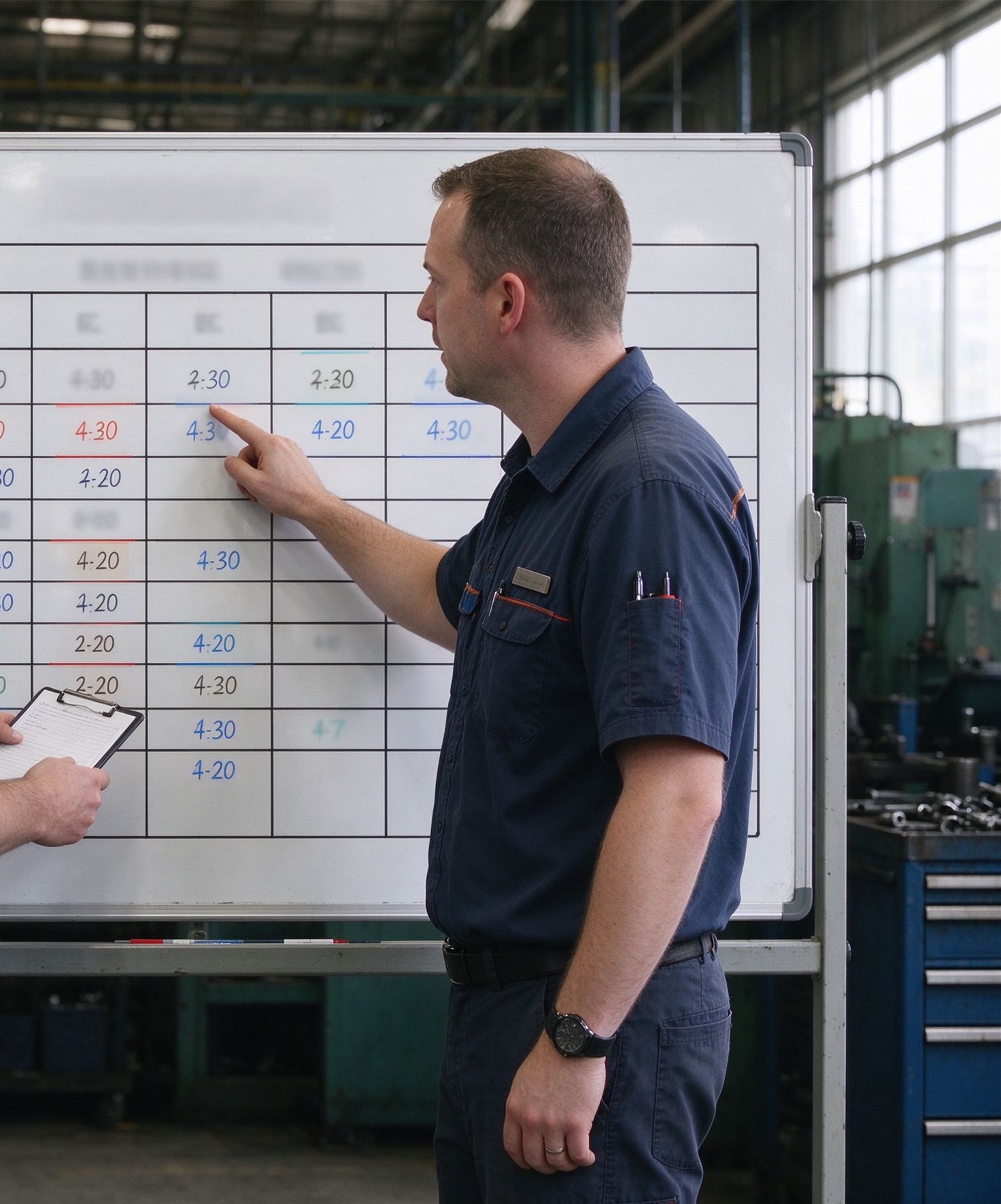 Scheduling board — crews, jobs, regions
Offline-first was the constraint everything bent around. Each device keeps a local journal of entries stamped with a device-generated identifier, so a completed job exists with zero signal. On reconnect the entries replay in order and the server applies conflict rules: a newer edit wins only while the job is open, and contested lines go to a supervisor queue rather than being overwritten. Every accepted change writes an append-only audit row, and a reconciliation report gates the payroll export on any mismatch between docket counts and pay lines.
Paper and software ran side by side at the first depot, and the exit criterion was simple: the reconciliation report had to agree with the paper file for two consecutive fortnights. Each depot then followed the same sequence, every stage with a rollback point.
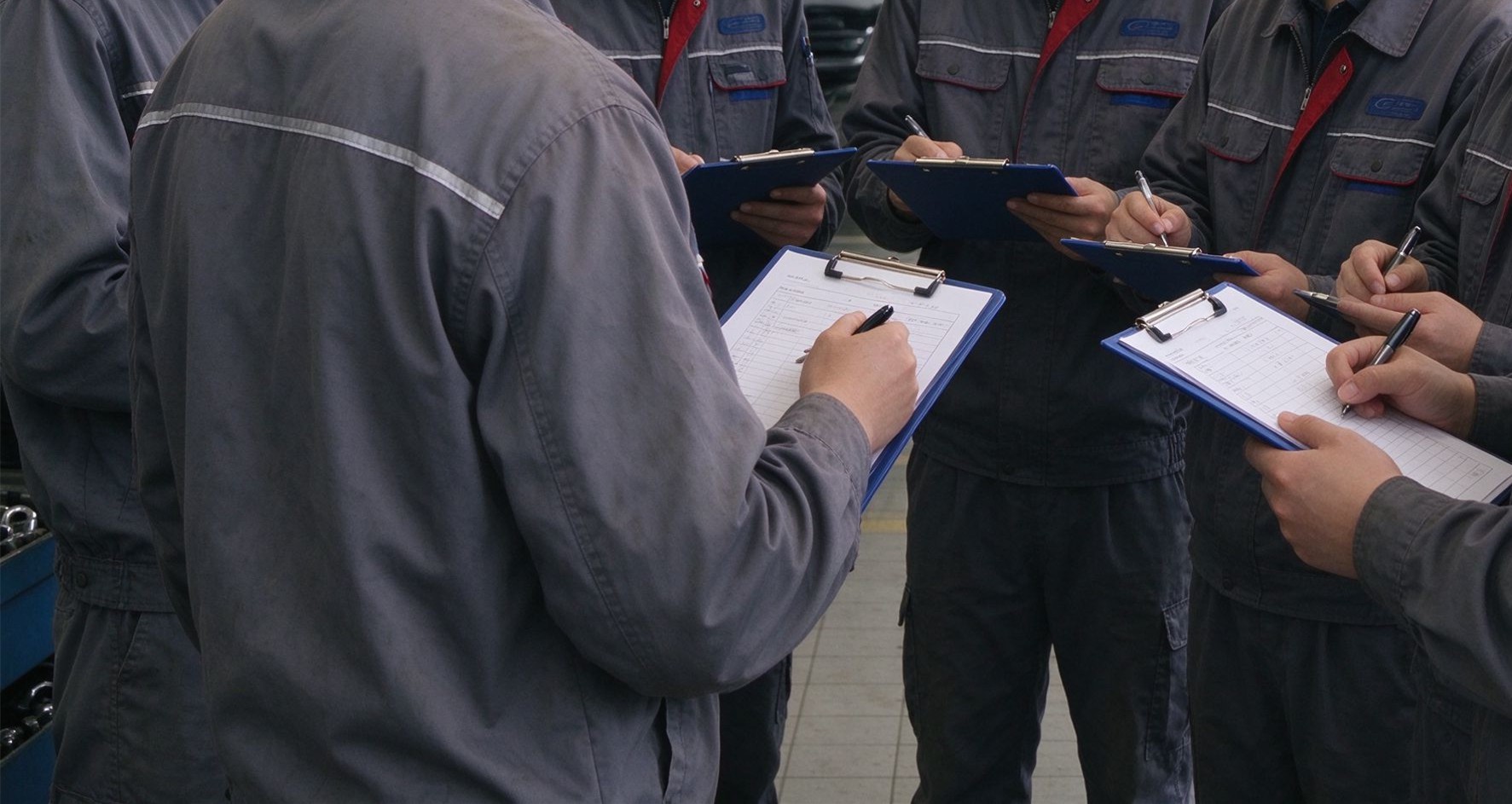 Rollout — training at shift changeover
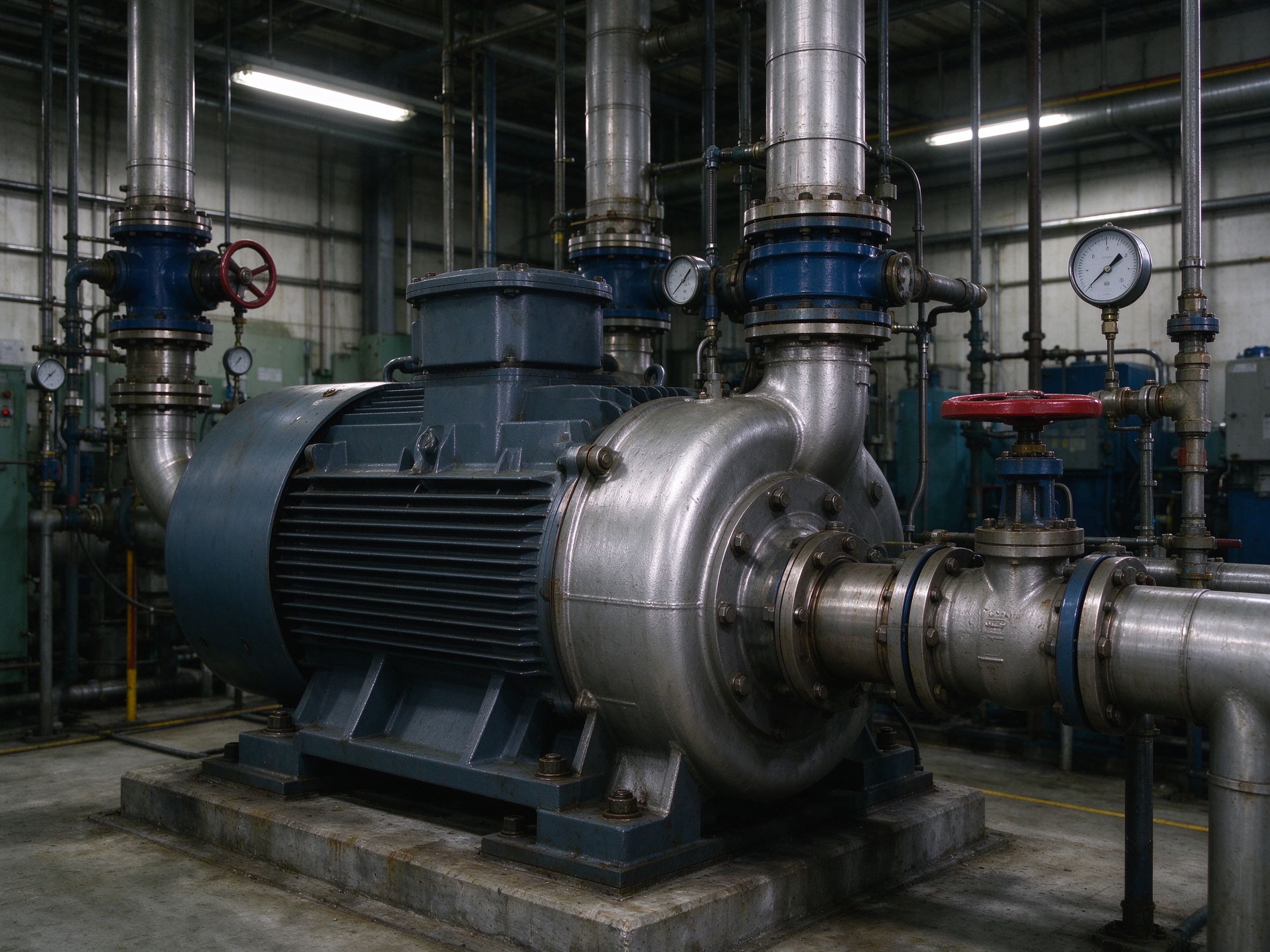 Asset history — servicing and components
Job close-out is 62 per cent faster, no docket has been lost since the first depot went live, and three legacy systems — the Excel asset log, the costing sheet and the whiteboard roster — are gone. Month-end reconciliation takes about four hours rather than several days.
One thing went wrong. We assumed photographs would travel with their docket; on poor connections a batch of large images sat at the head of the queue and starved job data, leaving dispatchers with stale job states for hours. Media moved to its own compressed queue, fixed within a fortnight. Those measures are still reported to the client each month.
“We stopped arguing about hours. Each job is timestamped, has photographs with it, and reaches payroll before the technician finishes his shift. That argument used to cost us a morning every week.”
We will map it against what is already in place and tell you honestly what it would take.